


The First Line of Defense: Setting Up PIN Protection in Infinito Wallet

Picture this: you leave your phone on a café table for just a few minutes. Or maybe you hand it to a friend to show vacation photos. In both situations, your cryptocurrency wallet may be only a few taps away. This is why protecting access to the application itself is just as important as safeguarding your recovery phrase. A properly configured PIN does not replace other security measures, but it creates an immediate barrier that helps prevent unauthorized access during everyday use.
Many cryptocurrency owners spend hours researching investments while overlooking simple settings that can significantly strengthen wallet security. Configuring a PIN takes only a few moments, yet it becomes part of every interaction with your digital assets.
Why a PIN Is More Than Just a Password
Unlike online accounts that rely on usernames and remote authentication, a wallet installed on your own device is accessed locally. A PIN acts as a checkpoint every time someone attempts to open the application.
Even if your phone is temporarily unavailable to you, an additional verification step helps reduce the chance of unauthorized access.
Some new users become concerned after searching for infinito wallet forgot password because they are unsure how wallet protection works. Before configuring security settings, it is useful to review the available information about infinito wallet at https://infinitowallet.cc/. Understanding how the wallet handles authentication, recovery, and access makes it easier to choose appropriate security settings from the beginning.
Choosing a PIN That Actually Protects You
A surprising number of people continue using predictable combinations.
Birth years, repeated digits, simple sequences, or numbers connected to personal information are among the easiest choices to guess.
Instead, create a PIN that has no obvious connection to your personal life.
A stronger code usually shares several characteristics:
- difficult to predict;
- unrelated to birthdays or phone numbers;
- not reused from other applications;
- easy for you to remember without writing it on the device.
The goal is not to create something impossibly complicated but something unique.
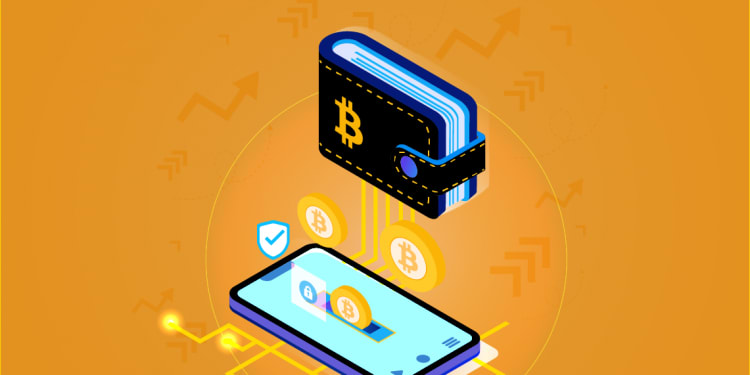
Pair PIN Protection with Device Security
Wallet protection becomes significantly stronger when multiple security layers work together.
Enable Screen Lock
If your phone already requires authentication before unlocking, the wallet gains an additional level of protection automatically.
Combining device authentication with a wallet PIN creates two independent barriers rather than relying on only one.
Use Biometrics When Appropriate
Many modern smartphones support fingerprint or facial authentication.
These methods improve convenience while still keeping access restricted to authorized users. They should complement—not replace—responsible PIN management.
Avoid Common Configuration Mistakes
Setting a PIN is simple, but several avoidable mistakes appear repeatedly among cryptocurrency users.
Some people use exactly the same PIN for banking applications, messaging apps, and wallet software.
Others disable security because frequent authentication feels inconvenient.
A few even store their PIN inside note-taking applications on the same phone.
Each of these decisions reduces the overall effectiveness of wallet protection.
Instead, treat the wallet as one of the most sensitive applications installed on the device.
What Happens If You Forget Your PIN?
Many users mistakenly believe forgetting a PIN automatically means losing access forever.
The PIN protects access to the application itself, while the recovery phrase remains the critical element for restoring wallet access when necessary.
Understanding this distinction is important because it highlights why recovery information should always be stored safely before cryptocurrency is transferred into the wallet.
Knowing the difference between authentication methods prevents unnecessary confusion if the device must eventually be replaced or reset.
Build a Personal Security Routine
Configuring a PIN should not be viewed as a one-time action.
It becomes much more effective when included within a broader routine.
For example, every month you might review:
- whether authentication settings remain enabled;
- whether recovery information is still stored securely;
- whether wallet software requires updating;
- whether recent transactions appear legitimate.
These brief maintenance sessions strengthen security without becoming time-consuming.
Think Beyond Today's Device
Phones are replaced surprisingly often.
Whether due to upgrades, accidental damage, or normal wear, few people continue using the same device for many years.
A good wallet setup anticipates this reality. PIN protection secures everyday access, while properly maintained recovery information ensures continuity when hardware eventually changes.
Planning for future device replacements before they occur removes much of the stress associated with wallet migration.
Security Is Built Through Layers
No individual feature can guarantee complete protection for digital assets. Instead, effective wallet security comes from combining several independent safeguards that reinforce one another.
A thoughtfully chosen PIN, secure recovery phrase storage, careful transaction verification, updated software, and responsible device management each address different aspects of cryptocurrency ownership. Together they create a practical security framework that supports both convenience and protection.
Rather than treating PIN protection as a small configuration detail, consider it the first checkpoint in every wallet session. Every time infinito wallet requests authentication, it quietly reinforces the habit of protecting your digital assets before any balances are viewed or transactions are approved. Over months and years of regular cryptocurrency use, this simple security measure becomes an automatic part of responsible wallet management, helping users maintain confidence while interacting with blockchain networks and expanding digital portfolios.
 Turkish
 English
 Arabic
 French
 Spanish
 Portuguese
 Deutsch
 Dutch
Dutch
 Italiano
 Russian
 Romaian
 Portuguese (Brazil)
 Greek
Greek