


How Sprintpackage Ensures Color Accuracy with Advanced Printing in Custom Cylinder Packaging

Color is memory. Customers recognize a brand from across a shop by its colors before they read a single word, so a tube that drifts from the correct shade weakens recognition immediately. Yet color is also one of the hardest things to control in printing, since it depends on ink, paper, lighting, process, and even humidity. Sprintpackage mentions a full set of advanced printing equipment and offers color printing on its tubes. This article explains why color accuracy is challenging on paper cylinders, how professional printers manage it, and how buyers can protect their brand colors when ordering custom cylinder packaging.
Why Paper and Light Change Color
The same ink looks different on white board, kraft, and black paper. Rough surfaces absorb ink differently than smooth ones, and coatings can deepen or soften shades. Lighting adds another layer: a color that appears perfect in an office may look different under shop lighting or daylight. This is why a screen preview is only a rough guide. Ask the supplier to print on the actual material you plan to use, and examine samples in the environment where the product will be sold. Understanding these variables helps set realistic expectations and avoids disappointment when the first production run arrives.
Color Standards and References
Brands should define their colors with a clear standard, such as Pantone references or CMYK values, and share them with the printer. A physical reference swatch is even better. The printer can then match inks and verify results against the standard. Ask whether the supplier uses color measuring devices and what tolerance is acceptable. A tolerance range should be agreed in advance, since perfect identity is rarely possible on natural materials. Write the standard into your specification and keep an approved sample. A clear definition of the target makes it much easier to judge whether the result is acceptable.
Proofing Before Production
Proofs reduce risk. A digital proof checks layout and text, but it cannot show true color. A physical sample printed on the real material shows how the design actually looks. Review it under different lighting, and compare it with your reference. If the color is off, ask for adjustments and a revised sample. The company offers various finishes such as polishing and embossing, which also change appearance, so include them on the proof. Approval should be formal and in writing, because the signed sample becomes the standard against which the production run will be judged.
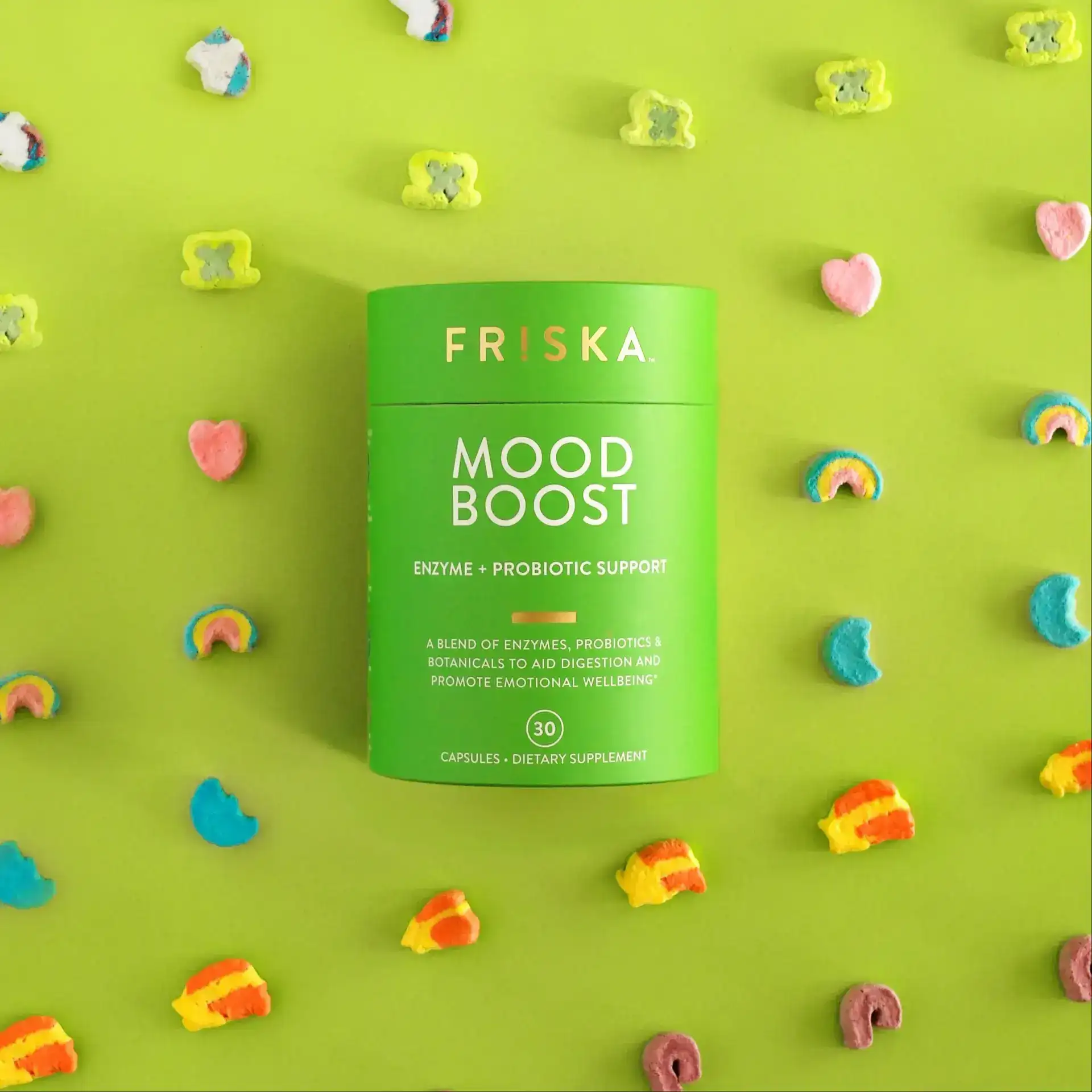
Controlling Color During the Run
Even with good proofs, color can drift during a long run. Operators compare printed tubes to the approved sample at regular intervals, adjust inks, and monitor temperature and humidity. Automated printing equipment helps maintain consistency, but monitoring remains essential. Ask how often checks are made and what happens if a tube falls outside tolerance. Retention samples from each batch make later comparisons easier. When ordering again, provide the previous sample and ask the supplier to match it, so that color remains stable between orders, even months or years apart. Keep these points in mind whenever you compare custom cylinder packaging options for your own products.
Practical Tips for Better Results
Design with the material in mind: bold, simple colors are more reliable than subtle gradients on kraft. Avoid placing critical color elements across the seam. Limit the number of colors if the budget is tight, and consider using the natural color of the paper as part of the design. Keep file formats clean, and supply vector artwork. Communicate your priorities, such as which colors matter most. The more clearly you describe your needs, the more effectively the printer can focus attention. Accurate color is a partnership between a clear, brief and careful production. With careful files, honest proofs, and regular comparison against an approved sample, brands can keep their colors recognizable across every order, and customers will continue to identify the product at a glance without ever thinking about how much work that consistency requires.
 English
 Arabic
 French
 Spanish
 Portuguese
 Deutsch
 Turkish
 Dutch
 Italiano
 Russian
 Romaian
 Portuguese (Brazil)
 Greek