


The Ultimate Guide to DVR for Antenna TV: Recording and Enjoying Free TV

A DVR for antenna TV is a device that allows you to record television programs that you receive through an over-the-air antenna. It essentially works like a traditional DVR but focuses on capturing content from free broadcast signals. Using a DVR with an antenna allows you to pause, rewind, and record live TV without needing a cable or satellite subscription. This is a fantastic solution for those looking to enjoy free TV content while having the flexibility to watch it at their convenience.
How Does a DVR for Antenna TV Work?
A DVR for antenna TV functions by connecting to your TV antenna and receiving the signals broadcast by local channels. Once connected, it captures these signals and stores them on an internal hard drive or external storage device. You can schedule recordings based on your favorite programs or record multiple shows at once. This gives users the freedom to enjoy content without worrying about missing an episode, even if they are unable to watch it live.
Benefits of Using a DVR for Antenna TV
One of the major benefits of using a DVR for antenna TV is the ability to access free channels while maintaining the flexibility of recording programs for later viewing. By eliminating the need for cable subscriptions, users can save money while still enjoying their favorite TV shows. DVRs for antenna TV also allow you to fast-forward through commercials, enabling you to watch your programs without interruptions. Additionally, many models come with large storage options, meaning you can record multiple programs and store them for extended periods.
Choosing the Right DVR for Antenna TV
When selecting a DVR for antenna TV, it's important to consider several factors to ensure you get the right model for your needs. Look for a DVR with ample storage space, especially if you plan on recording a lot of content. The ease of installation and setup is another key factor—some DVRs are plug-and-play, while others may require additional configuration. Additionally, compatibility with the antenna signal and the ability to schedule recordings remotely can add extra convenience for users.
Top Features to Look for in a DVR for Antenna TV
The best DVR for antenna TV should come with key features like high-definition recording capabilities, multiple tuner support, and the ability to pause live TV. Storage capacity is crucial—some DVRs offer external hard drive support, allowing for limitless storage potential. Remote scheduling is also a convenient feature that lets you set recordings when you're not at home. Finally, make sure the DVR you choose is user-friendly, with easy-to-navigate menus and setup processes.
How to Set Up a DVR for Antenna TV
Setting up a DVR for antenna TV is a simple process, but it does require some steps. First, you’ll need to connect your antenna to the DVR, which should come with clear instructions on where to plug it in. Once connected, scan for available channels to make sure the DVR receives all the free TV signals. After scanning, you can start setting up scheduled recordings. Most DVRs offer an on-screen guide to help you schedule shows and manage recordings easily.
Recording TV Shows with a DVR for Antenna TV
Recording your favorite TV shows with a DVR for antenna TV is incredibly easy. Once you've set up the device and scanned for channels, you can browse through the available content and choose the programs you want to record. Most DVRs allow you to schedule recordings in advance or start recording instantly. You can also set the DVR to record series, which automatically captures new episodes of a particular show, making it a hassle-free experience for viewers who like to watch regularly.
Storing Recorded Content on Your DVR for Antenna TV
The storage capacity of your DVR for antenna TV will determine how much content you can record and keep. Depending on the model, DVRs may have internal storage options or allow external storage devices like USB drives or external hard drives to be connected. Some high-end models offer cloud storage integration, providing even more flexibility in terms of storage. Be mindful of the storage limits to avoid running out of space, especially if you record a lot of TV shows and movies.
Accessing Your Recorded Content
Once you’ve recorded your favorite shows using your DVR for antenna TV, accessing the content is a breeze. Most DVRs have an intuitive interface that lets you quickly browse through your library of recorded programs. You can watch the content at any time, and many DVRs also allow you to delete or archive content you no longer need. Some DVRs even allow you to transfer recordings to other devices, so you can enjoy your shows on the go.
Managing Your DVR for Antenna TV Settings
DVR for antenna TV devices come with various settings that you can adjust to enhance your viewing experience. These settings may include video resolution preferences, automatic recording settings, and even the option to set parental controls. Depending on the device, you may also be able to manage the storage, scheduling, and channel scanning settings through the DVR’s menu. Fine-tuning these settings will help ensure the device functions in a way that best suits your needs.
Integrating Your DVR for Antenna TV with Streaming Services
Some advanced DVR for antenna TV models allow integration with popular streaming services. This means that you can combine over-the-air content with streaming apps, making it easier to access all your favorite TV shows in one place. Look for DVRs that support services like Netflix, Hulu, or Amazon Prime Video for a seamless TV experience that blends both free and paid content.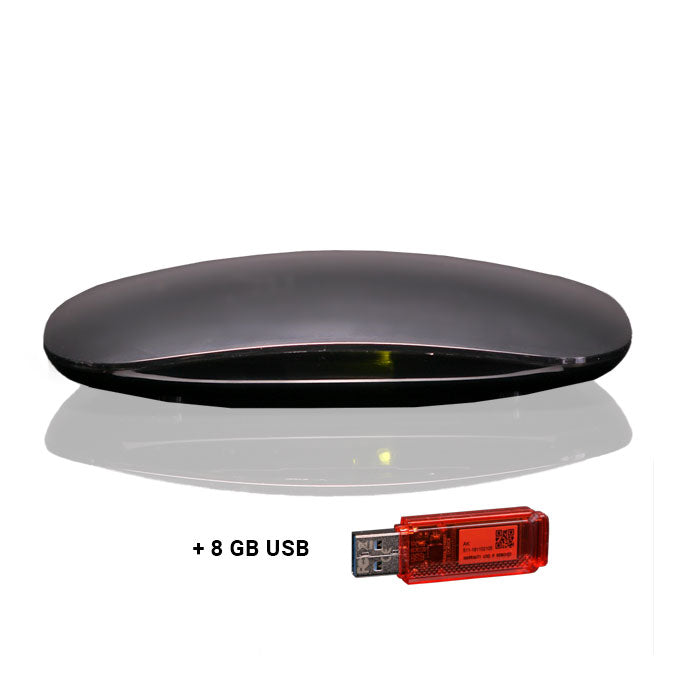
Can You Skip Commercials with a DVR for Antenna TV?
Yes, one of the major advantages of using a DVR for antenna TV is the ability to skip commercials. Unlike traditional cable services, DVRs allow you to fast-forward through commercials, so you can enjoy uninterrupted viewing. This feature is a huge benefit for viewers who dislike advertisements or want to save time while watching their favorite programs.
Troubleshooting Common Issues with DVR for Antenna TV
While DVR for antenna TV devices are generally reliable, you may encounter some common issues. These could include poor signal quality, difficulties with scheduled recordings, or issues with storage. If you're experiencing problems with signal reception, make sure your antenna is properly connected and positioned to capture the strongest signal. For scheduling issues, ensure your DVR’s software is up to date. If your DVR is running out of space, consider managing your recordings and deleting unwanted content.
FAQs
Can I use a DVR with any antenna?
Yes, most DVRs for antenna TV work with any standard over-the-air antenna. However, it’s important to check for compatibility with the specific antenna model you're using.
How much storage do I need for a DVR for antenna TV?
Storage needs vary depending on how much content you want to record. A typical DVR for antenna TV might offer between 500GB to 1TB of storage, which can hold hundreds of hours of programming.
Is a DVR for antenna TV better than cable?
A DVR for antenna TV is an excellent option for those who want to cut the cord and save on cable costs while still enjoying free, high-quality broadcasts. The ability to record and watch later makes it a strong alternative to traditional cable services.
 Spanish
 English
 Arabic
 French
 Portuguese
 Deutsch
 Turkish
 Dutch
Dutch
 Italiano
 Russian
 Romaian
 Portuguese (Brazil)
 Greek
Greek