


Why Thermal Management Materials Are Essential for Electronic Devices
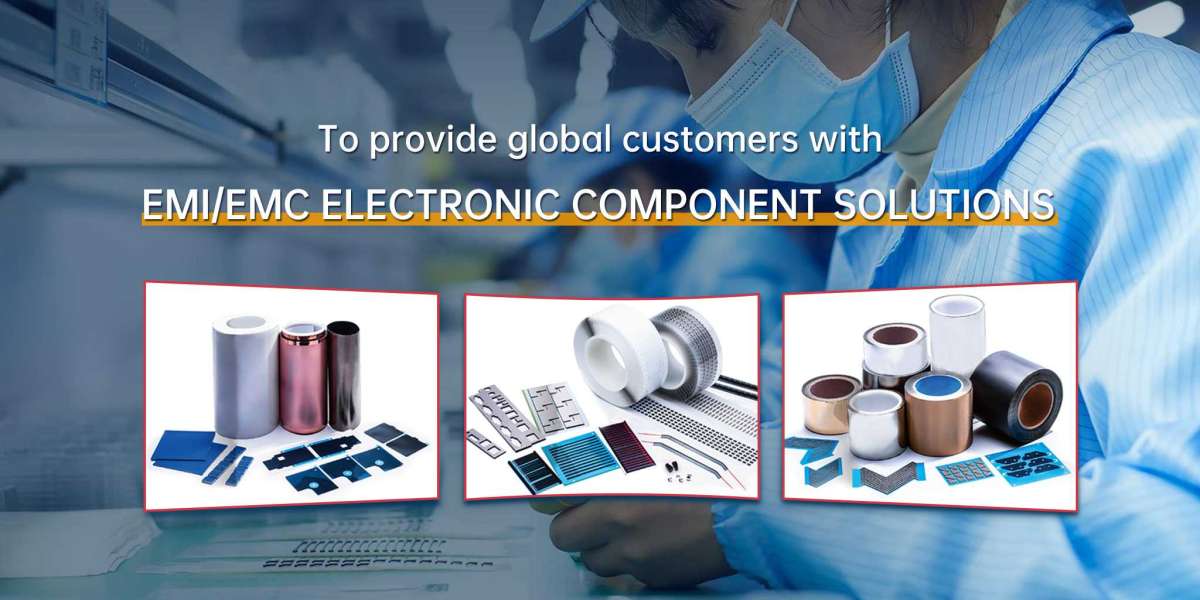
In today’s technological world, electronics are evolving rapidly, becoming faster and more powerful. However, with greater performance comes the challenge of managing heat. Overheating is one of the biggest threats to the performance and longevity of electronic devices, which is where thermal management materials (TMM) come in. These materials help ensure that devices stay cool, operate efficiently, and remain durable for a longer period.
Understanding Thermal Management Materials
Thermal management materials are designed to control and dissipate heat in electronic components. Electronics like smartphones, computers, and power supplies generate heat during operation, and if not managed properly, this excess heat can lead to system failures, decreased performance, or even permanent damage. By efficiently transferring heat away from critical components, thermal management materials help maintain the optimal operating temperature and keep devices functioning smoothly.
Why Heat Management Is Crucial for Electronics
Heat is an inevitable byproduct of energy consumption in electronics. When devices like processors or batteries work harder, they generate more heat. If this heat is not dissipated properly, it can lead to several problems:
-
Preventing Overheating: Overheating is one of the primary reasons for electronic failure. If devices become too hot, they may malfunction or even stop working entirely. Thermal management materials act as a barrier against heat accumulation, ensuring devices stay within a safe temperature range.
-
Maintaining Performance: Many electronics experience performance throttling when they overheat. For example, smartphones or laptops will slow down to reduce the temperature when they become too hot. Proper thermal management ensures that devices can operate at full capacity without compromising performance.
-
Extending Device Lifespan: Exposure to high temperatures can accelerate the degradation of internal components, reducing the lifespan of devices. By regulating temperature, thermal management materials help preserve the longevity of the device, reducing the frequency of replacements and repairs.
-
Energy Efficiency: Overheated devices often require more power to maintain operation, which can lead to inefficiencies in energy consumption. With effective thermal management, devices can operate more efficiently, using less energy and improving battery life.
Types of Thermal Management Materials
There are various types of thermal management materials, each designed for specific needs and applications. Some common examples include:
-
Thermal Pads: Flexible materials that fill gaps between components, ensuring proper heat transfer. Thermal pads are an easy, cost-effective solution for a variety of devices.
-
Thermal Pastes: A paste applied between processors and heat sinks to improve heat transfer. This material fills microscopic gaps to enhance thermal conductivity and prevent overheating.
-
Heat Sinks: These metal components (typically made of aluminum or copper) absorb heat and increase surface area, allowing heat to dissipate more effectively. Heat sinks are commonly used in high-performance devices like computers and servers.
-
Phase Change Materials (PCMs): These materials absorb heat as they transition from a solid to a liquid state, helping to regulate temperature fluctuations in devices.
-
Thermal Conductive Adhesives: These adhesives bond components together while also conducting heat away from sensitive areas to maintain optimal temperature control.
Applications of Thermal Management Materials
Thermal management materials are used across many industries where electronic components need to be kept cool. Some key applications include:
-
Consumer Electronics: Smartphones, laptops, and gaming consoles all rely on thermal management materials to maintain performance and prevent overheating.
-
Electric Vehicles: Thermal management is essential for regulating the temperature of batteries and power systems in electric vehicles.
-
Industrial Equipment: Machinery that operates in high-temperature environments, such as manufacturing equipment and power plants, also requires thermal management solutions.
In conclusion, as electronics become more powerful and energy-intensive, the importance of thermal management cannot be overstated. Using the right thermal management materials is essential to ensuring that devices remain efficient, durable, and safe. Whether it’s keeping your smartphone running smoothly or managing the heat in electric vehicles, thermal management solutions are vital for modern technology.
 English
 Arabic
 French
 Spanish
 Portuguese
 Deutsch
 Turkish
 Dutch
Dutch
 Italiano
 Russian
 Romaian
 Portuguese (Brazil)
 Greek
Greek